What if the waste we pulled from a river could become something worth keeping?
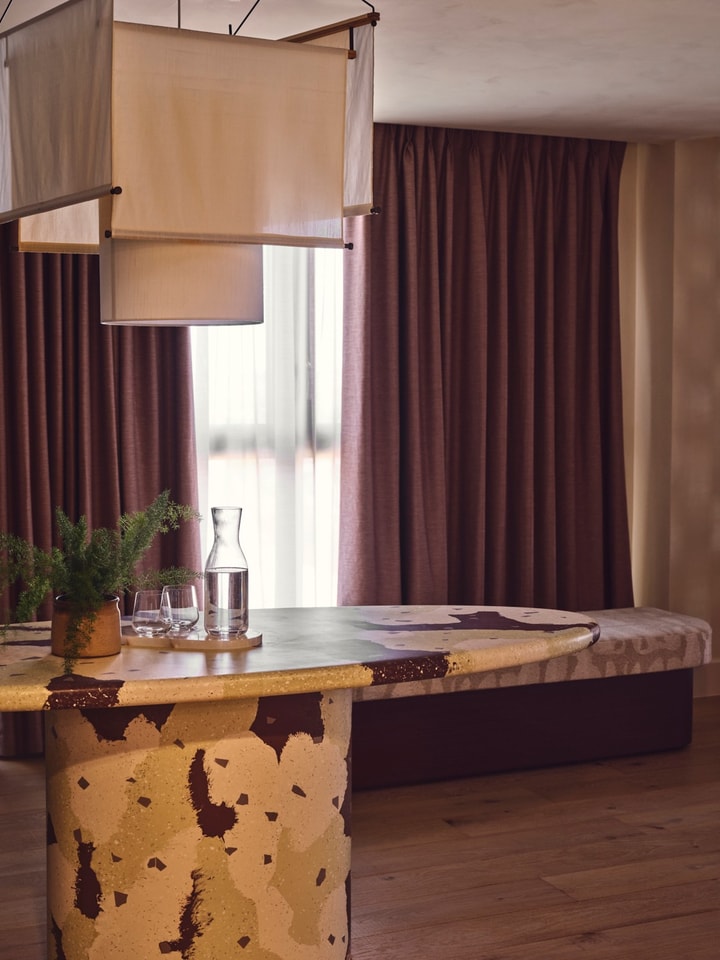
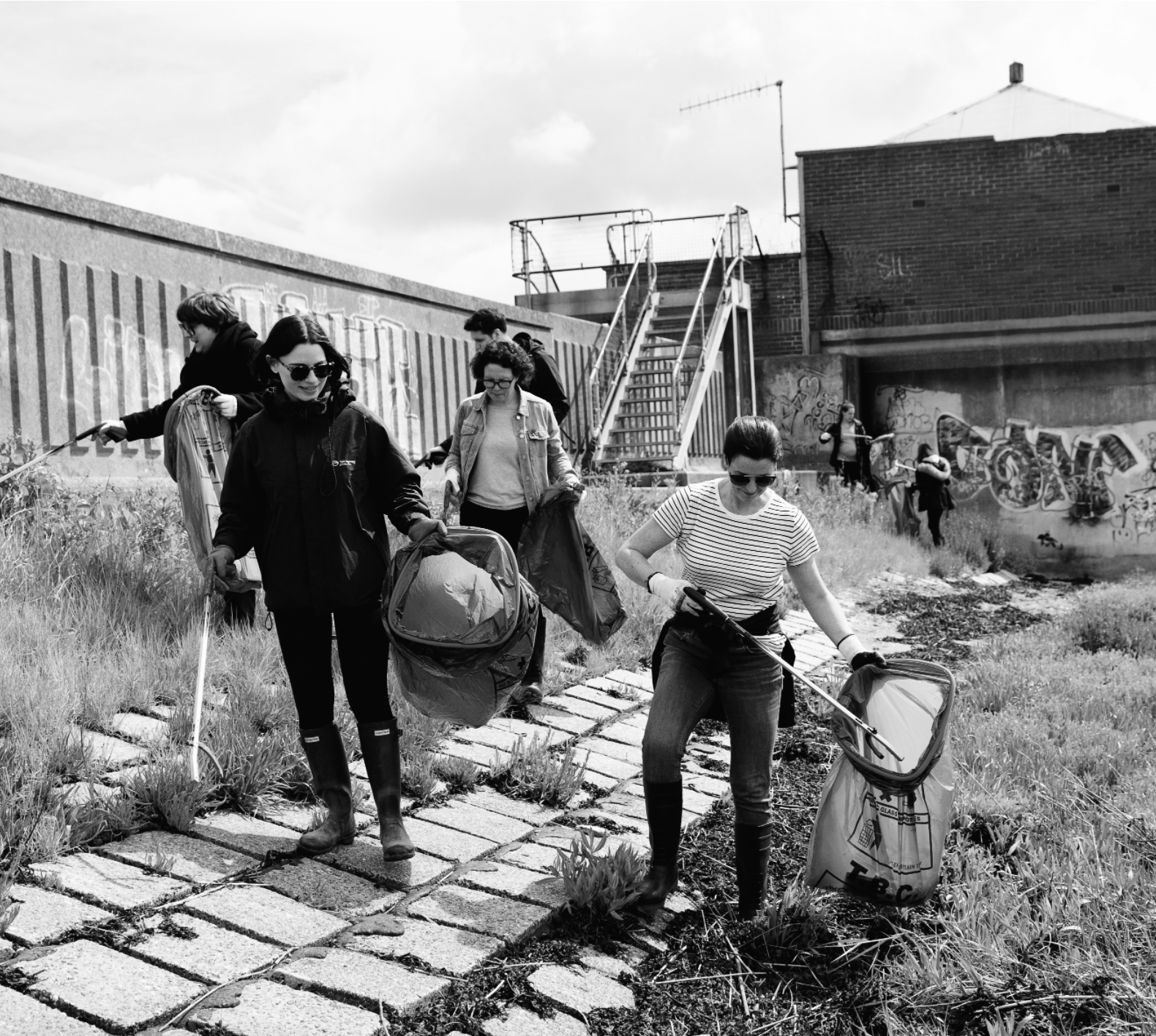
We took part in a hands-on river clean-up with Thames21, gathering discarded plastics from the banks of the Thames. Instead of sending them to landfill, we cleaned, sorted, and turned them into a material we could use—repurposed river plastics that became a display plinth with purpose.
1. Collecting Plastic from the Thames
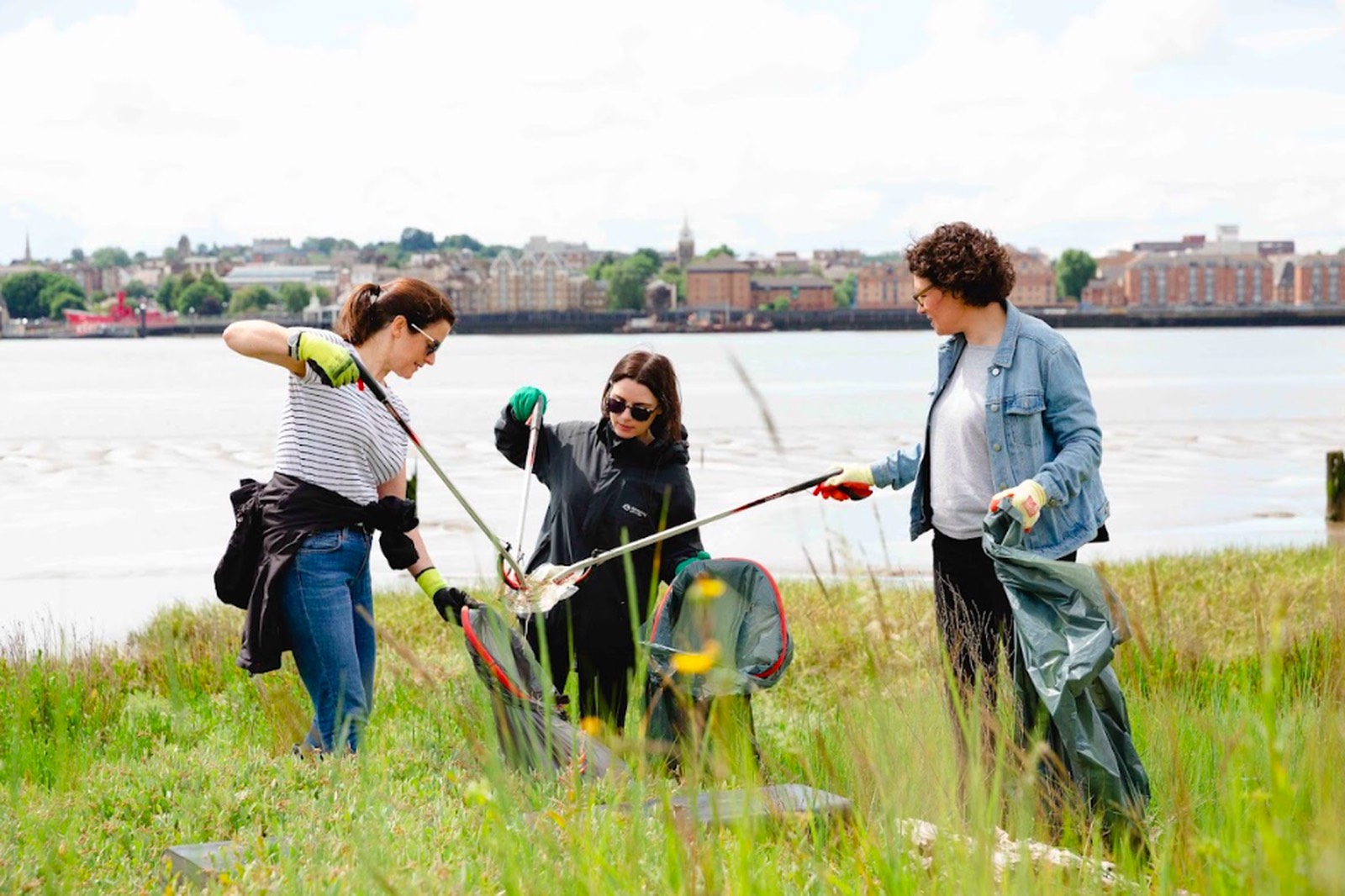
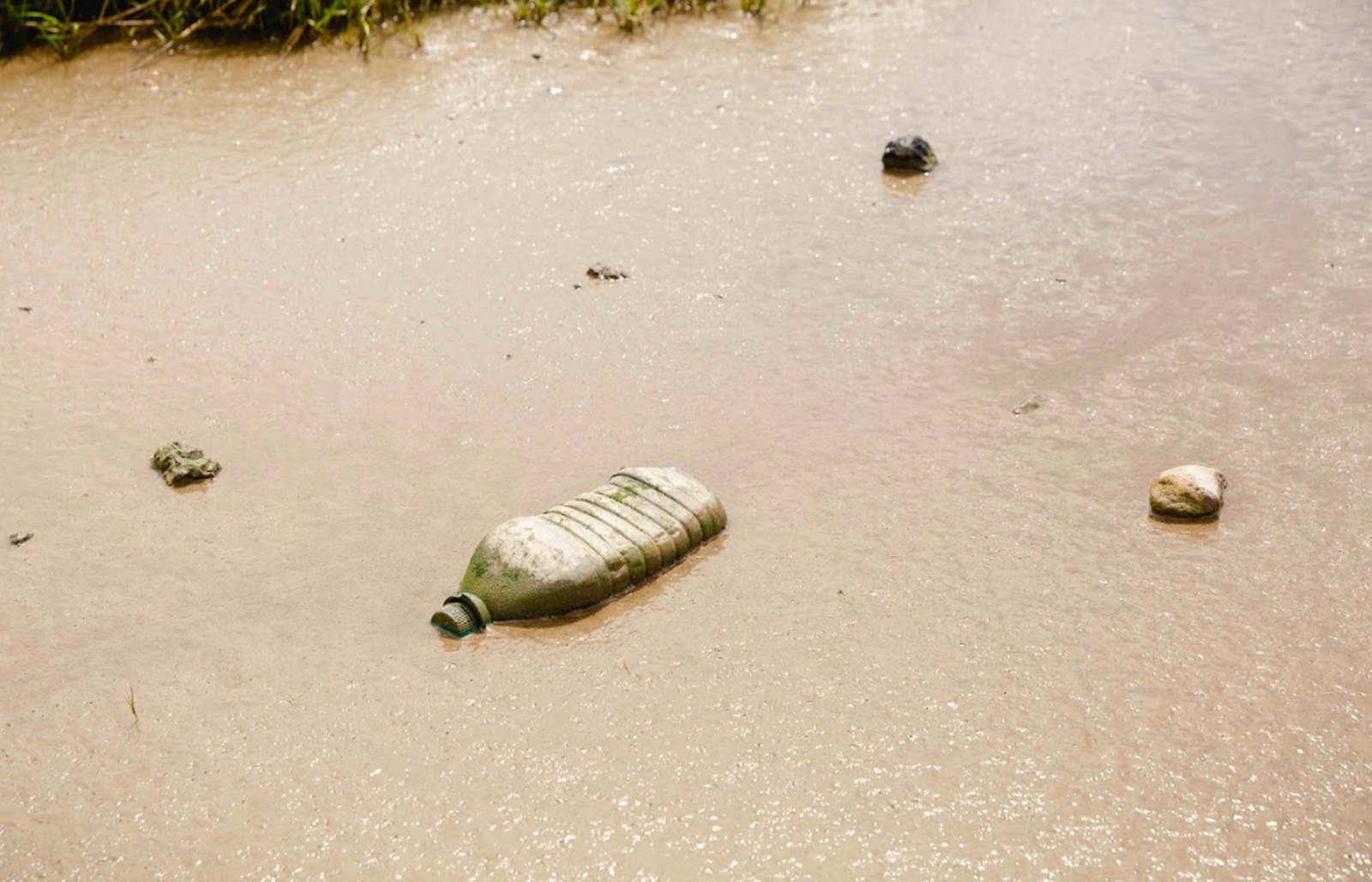
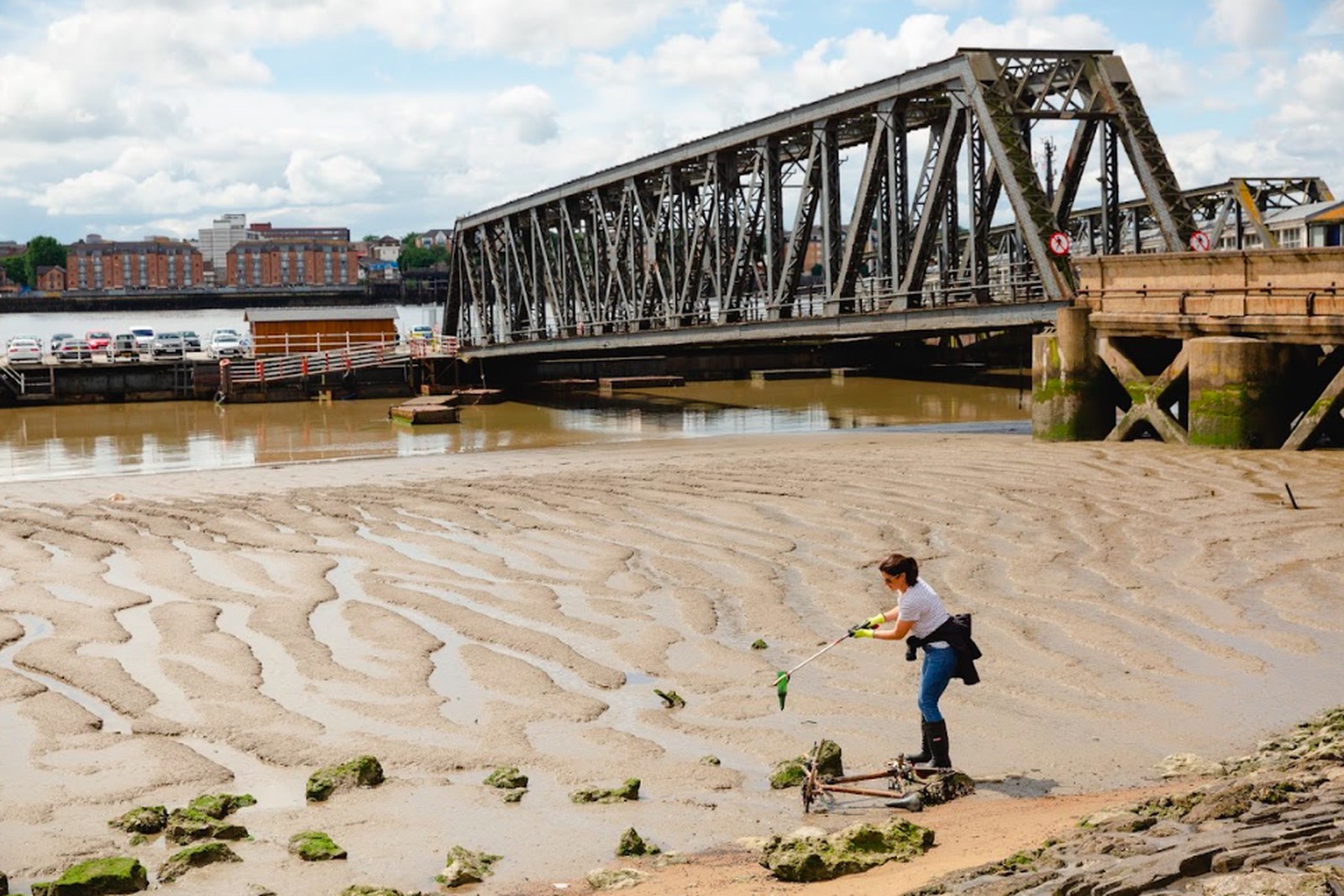
We joined the charity Thames21 for a full-day river clean-up in London. Working along the shoreline, we recovered bottle tops, packaging fragments and plastic waste—each piece small, ordinary, and overlooked. But together, they held potential.
2. Scrubbing, Cleaning, Sorting
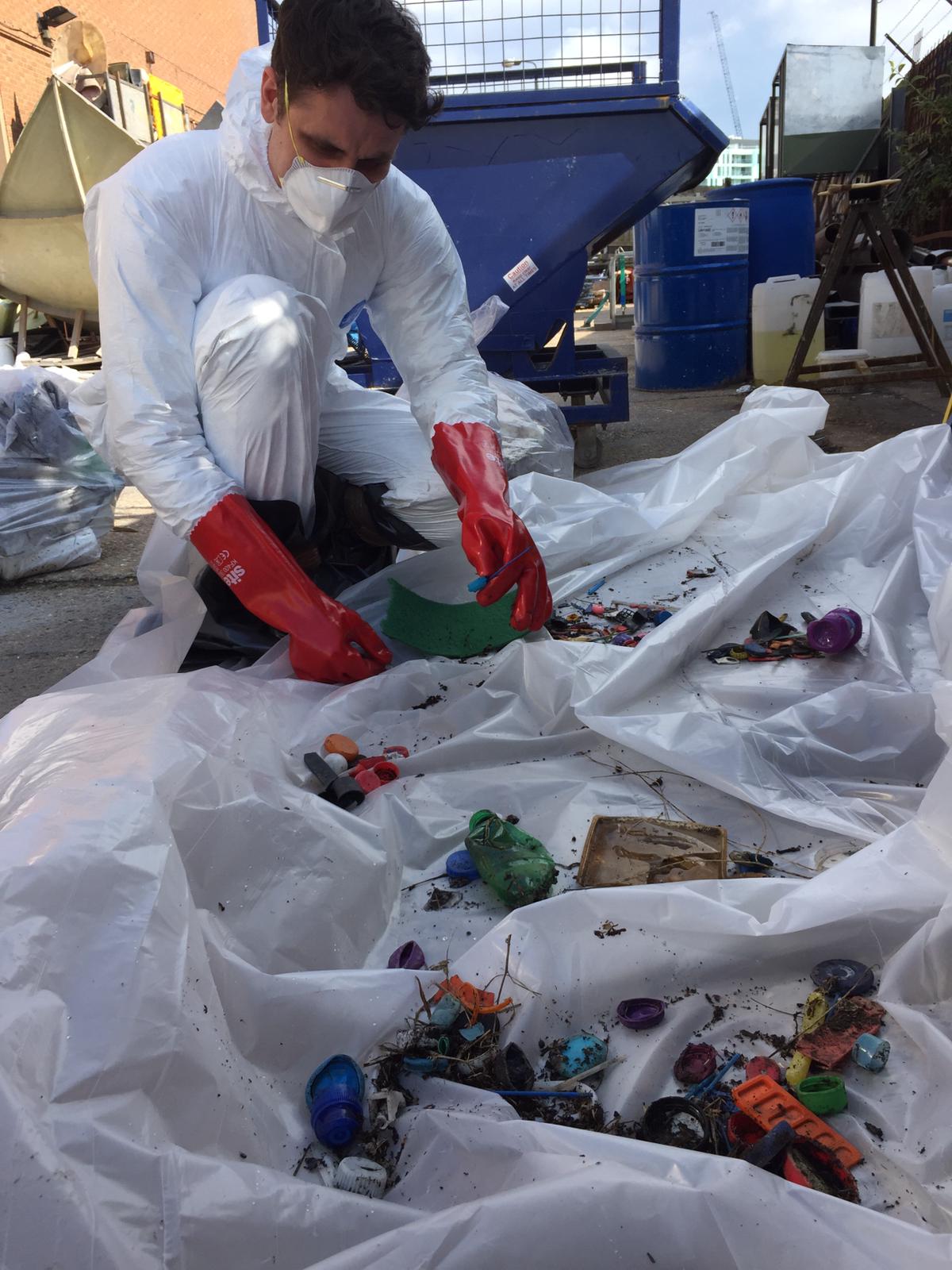
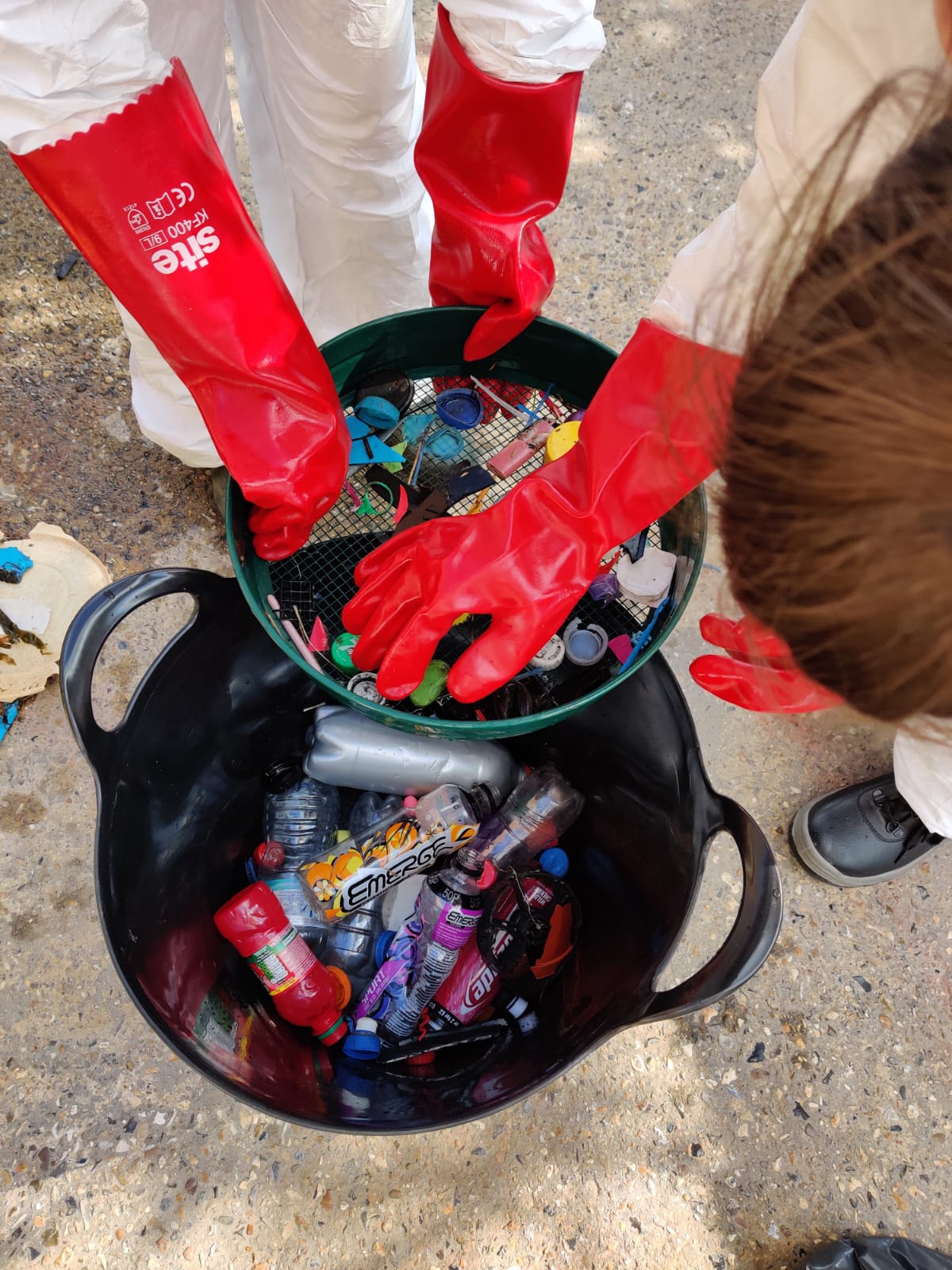
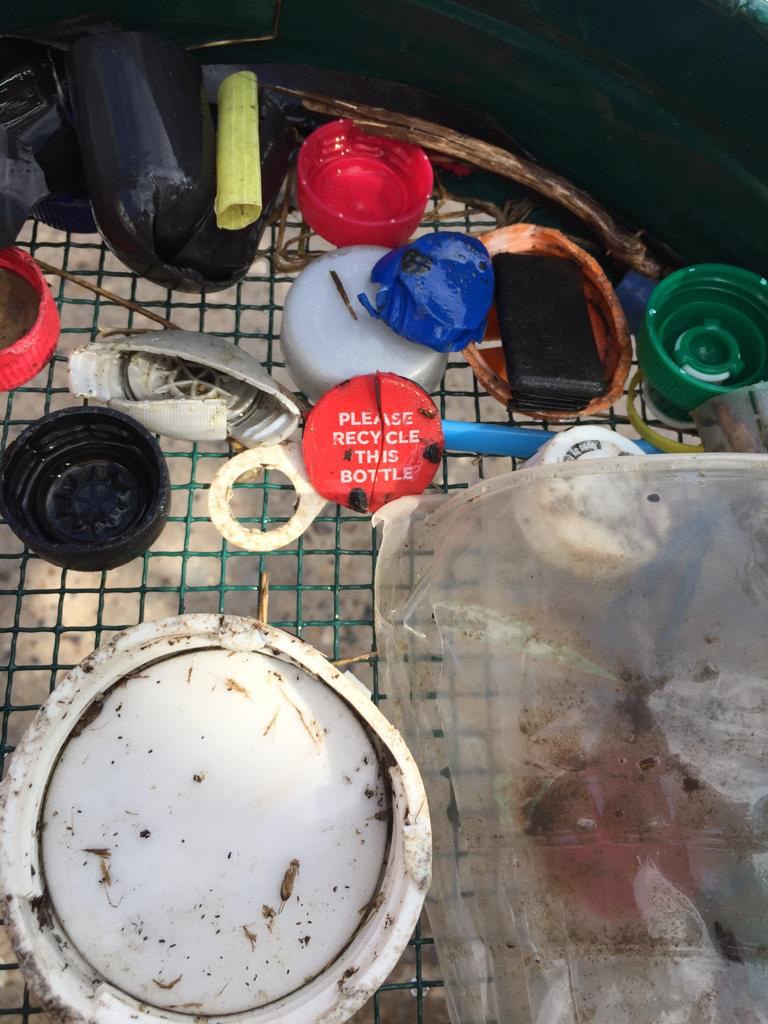
Back in the studio, we scrubbed and cleaned each piece by hand. Once dry, we sorted the plastics by size and type—removing what couldn’t be reused and keeping what could. It was slow work, but it helped us understand the material intimately, piece by piece.
3. Chipping and Designing
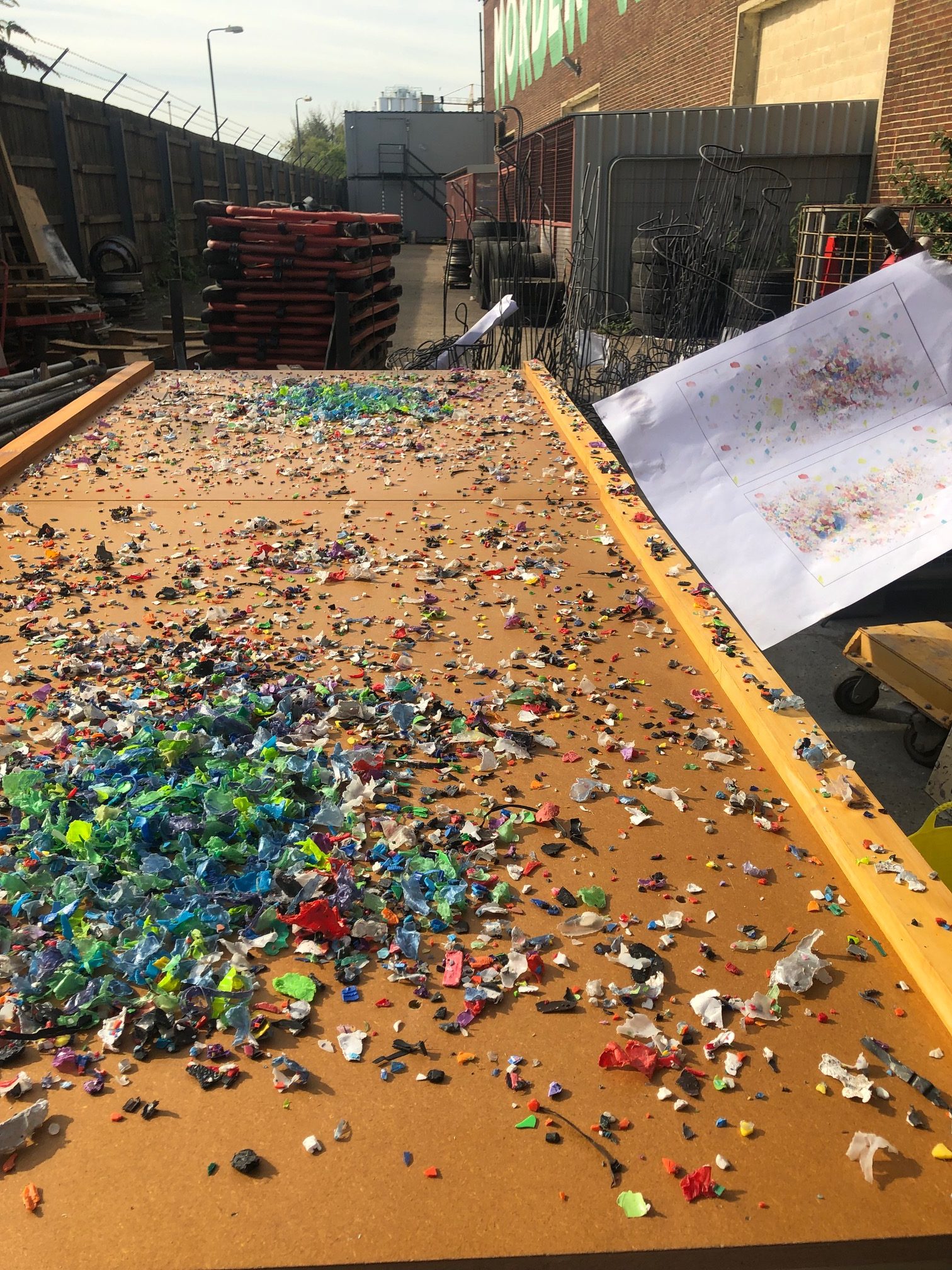
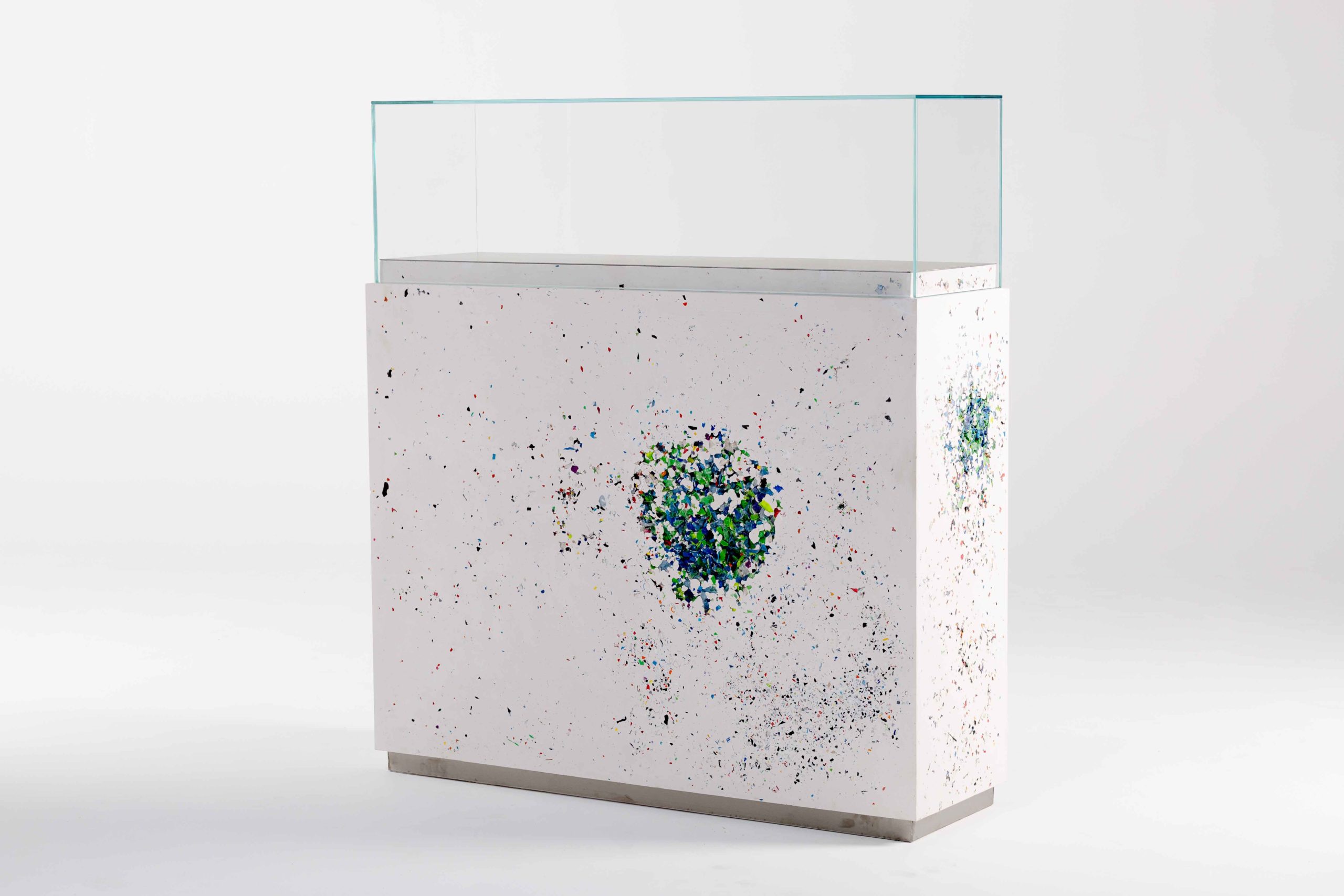
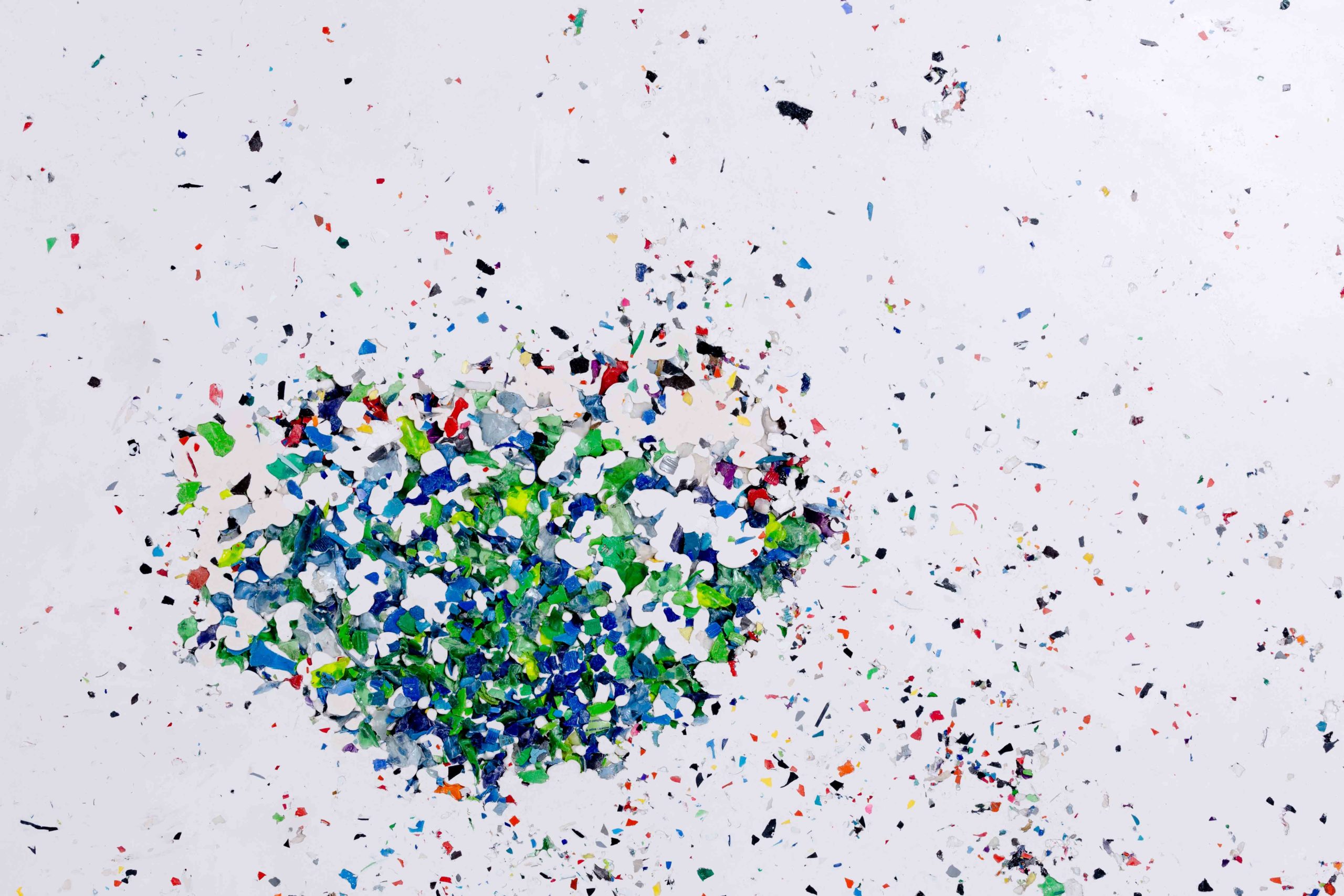
We chipped the cleaned plastic down into smaller fragments, then began experimenting. Our aim was to create a bright, clean composite that quietly held onto its history. The final surface—white with soft clusters of embedded colour—let the material really sing.
4. A New Kind of Plinth
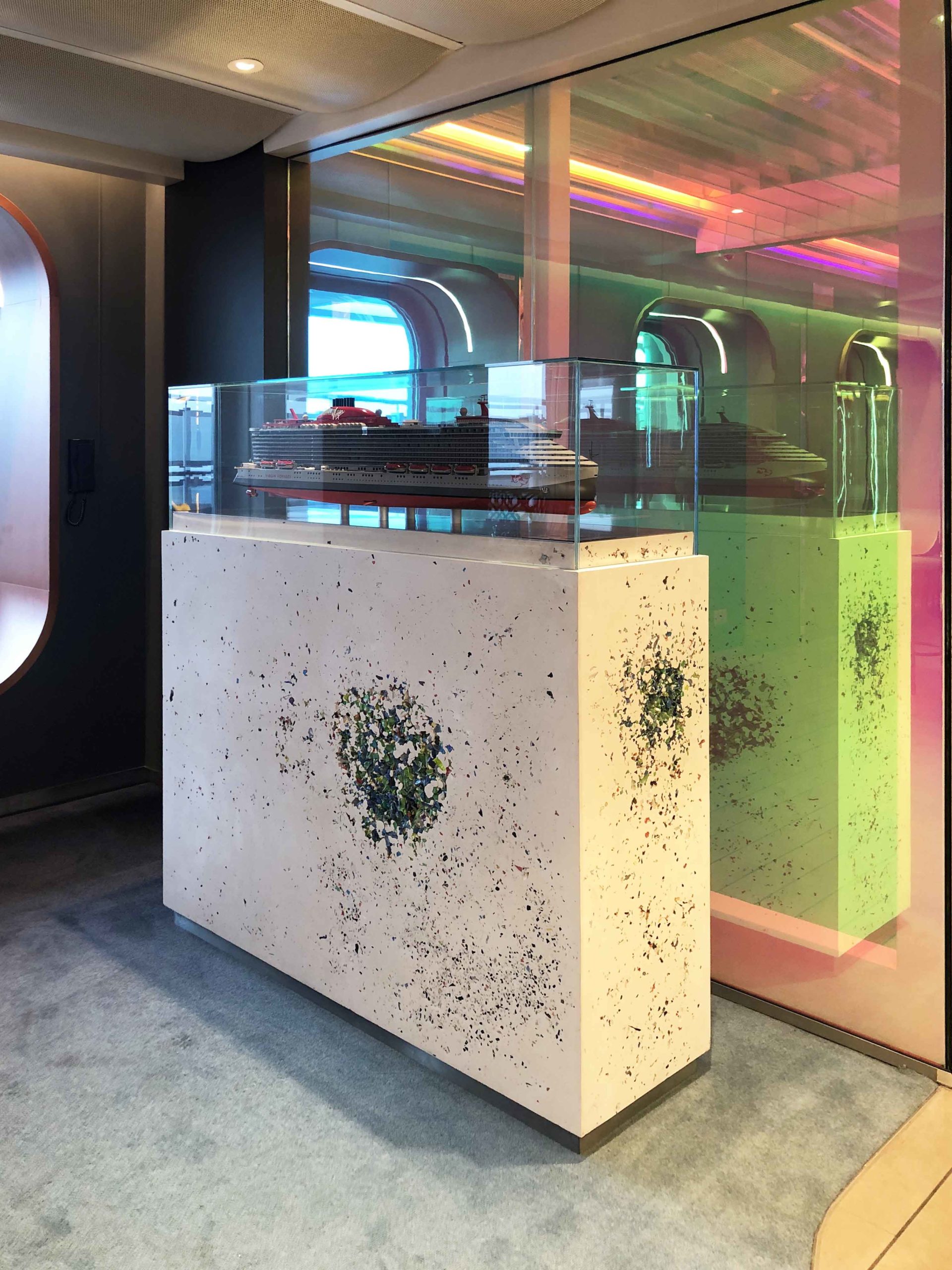
The finished plinth was commissioned by Virgin Voyages to hold a ship model onboard Scarlet Lady. But for us, it’s more than a display base. It’s proof that even small, broken fragments—repurposed river plastics—can be shaped into something lasting and meaningful.
Curious about how your waste could be used in something new?