Circular Design for Events
Temporary exhibitions don’t have to create waste. Explore circular design approaches—from modular builds to waste-based art objects—and why they matter.
1. The Problem with Temporary Design
Pop-ups, festivals and exhibitions offer immersive experiences—but often at the cost of landfill: plywood walls, printed panels, single-purpose plinths. These one-off designs leave behind a legacy of waste, yet the opportunity for circular systems is largely overlooked.
2. Designing with the End in Mind
Circularity in exhibition design is a growing movement: modular, reusable structures; rented kit; biodegradable materials; and waste-repurposing strategies. Leading museums and cultural cultural spaces are starting to embed reuse into the DNA of exhibitions—not just as an afterthought, but as standard practice. this sift sits ate the heart of circular design for events`: building experiences that consider their own afterlife.
2. Three Examples of Circular Exhibition Design
- Design Museum London – Waste Age: What Can Design Do?The museum employed URGE Collective to reduce environmental impact, reused plinths and walls from prior exhibitions, chose biodegradable materials (wool, clay, algae panels), and published lifecycle insights for wider industry benefit .
- The Synthetic Collective – Plastic Heart (University of Toronto, 2021)Curators embraced an ethos of “enough,” avoiding fresh paint or wall repair, and reusing prior exhibition elements. Their Field Guide for Reducing the Environmental Impact of Art Exhibitions outlines strategies to minimise waste without sacrificing narrative and aesthetic rigour .
- Spared’s Contribution – Take the Plunge at LDF 2019
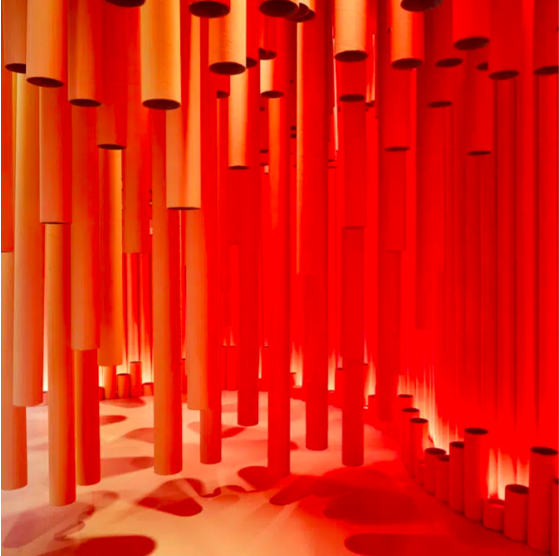
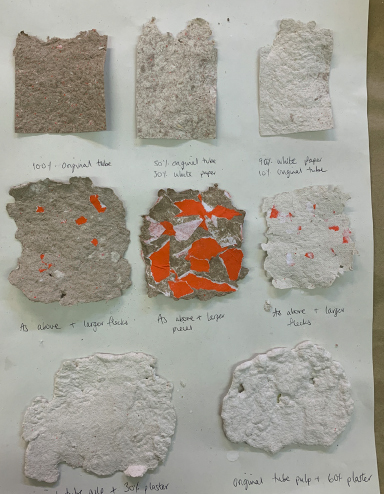
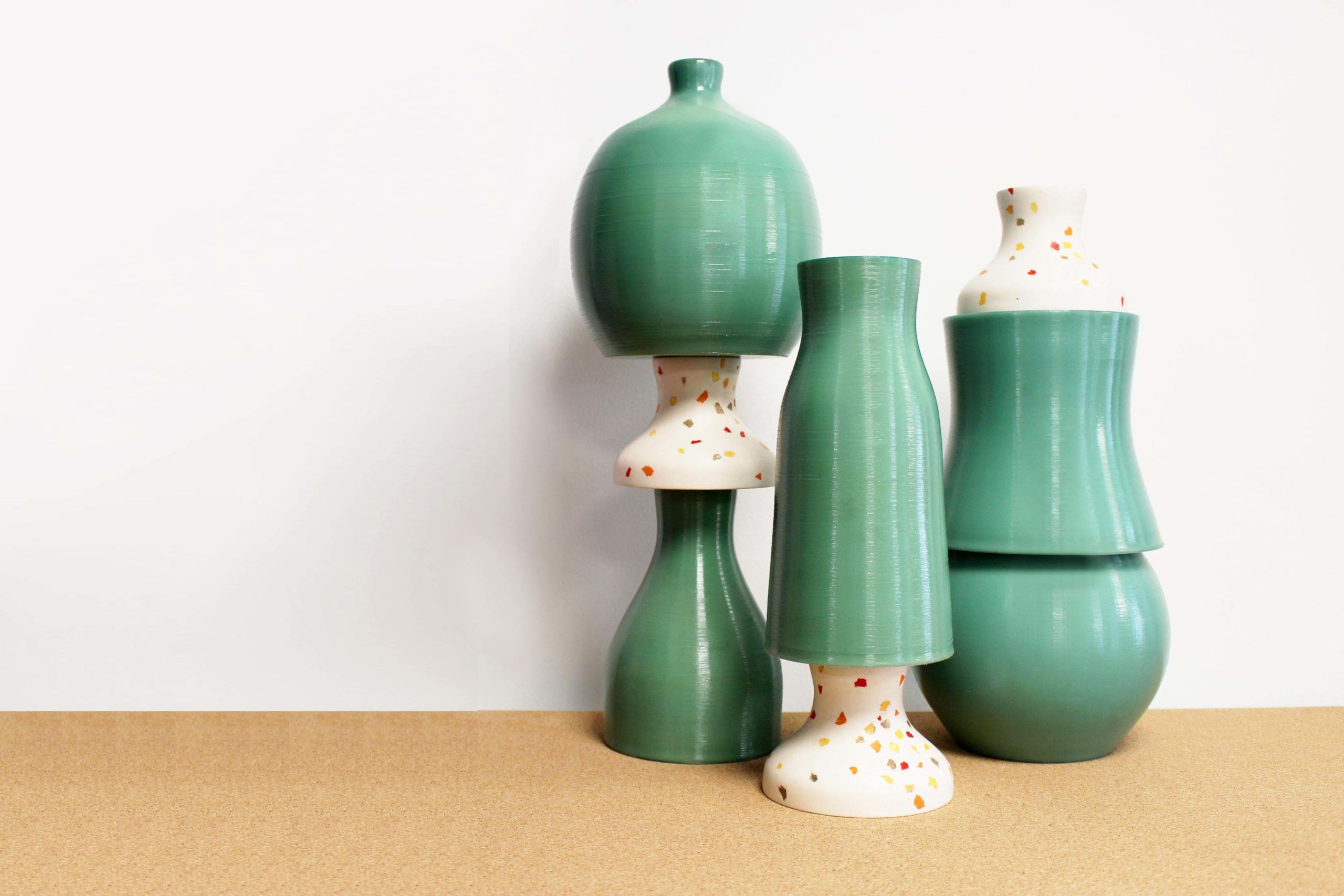
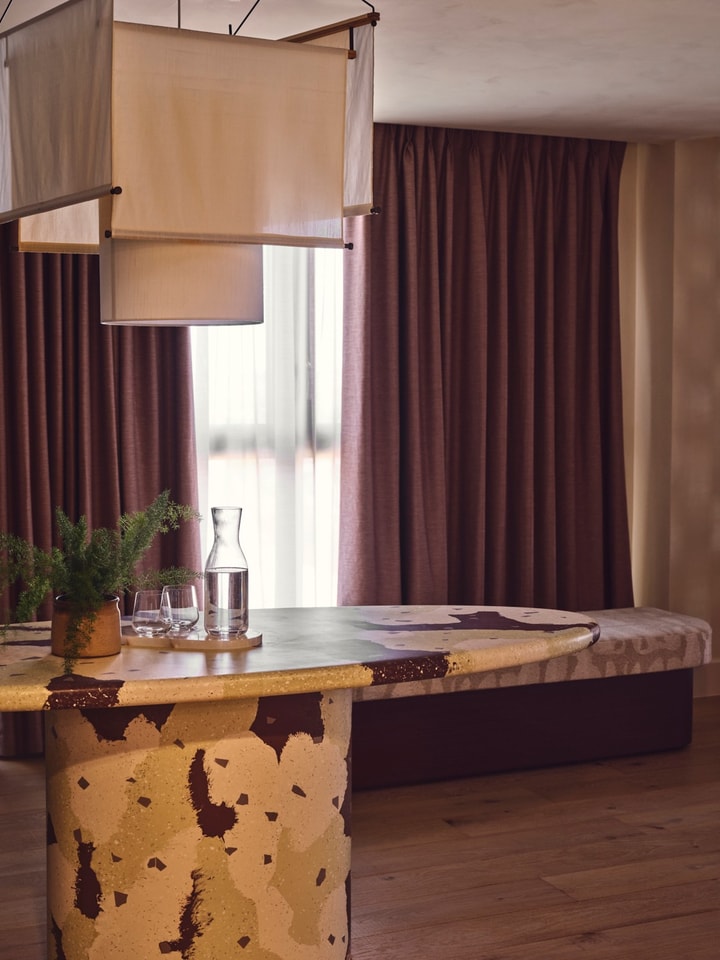
For London Design Festival 2019, Volume Creative’s Take the Plunge installation at Oxo Tower presented a mindfulness experience in temporary form. When the festival ended, Spared repurposed leftover materials into sculptural art objects. These waste-based pieces became styling peices—standalone storytellers that encourage audiences to reconsider what happens after the show closes.
3. Barriers & Mindset Shifts
Why isn’t reuse standard yet? Practical concerns like time, cost, and client expectations often stand in the way. Yet the above examples that have taken the leap to show otherwise: materials can be higher-quality, the narrative deeper, and savings real. A circular mindset isn’t limiting—it’s generative.
4. Why This Matters
The events and exhibition sector is at a tipping point. Circular design for events not only support net-zero targets – it enriches storytelling and challenges perceptions of value. These afterlife pieces—whether modular panels or sculptural objects—signal a shift from disposable to enduring.
5. Invitation to Collaborate
At Spared, we believe exhibitions can—and should—spark change beyond their run-date. Whether through modular re-staging, waste-to-object transformation, or developing reusable exhibition systems, we’re here to help brands, curators, and designers embed circularity at the heart of their work.
What happens after your exhibition ends? Let’s create the next chapter together.